Builders and lumber traders, especially in tropical climates such as the South and the Caribbean, know one truth better than anyone: pressure-treated lumber isn’t optional — it’s essential.
From intense humidity to salt-laden breezes and year-round moisture, tropical conditions demand materials that can withstand the elements. That’s why, on a per-capita basis, buyers throughout the Caribbean choose pressure-treated Southern Pine more than anywhere else in the world.
But one critical factor often determines how well that lumber performs over time — the preservative level.
What Is a Preservative Level?
A preservative level refers to the amount of preservative infused into the wood during the pressure-treatment process. This level determines how resistant the wood will be to decay, insects, and moisture over its lifespan.
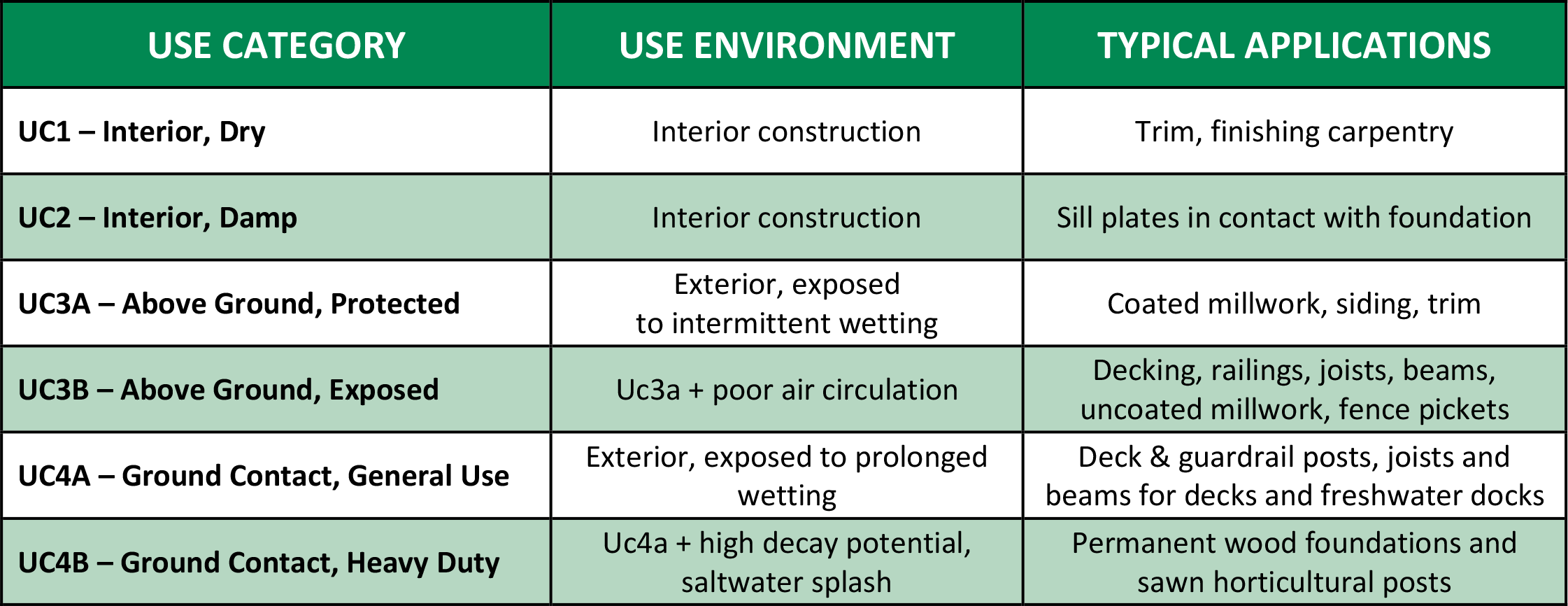
To make it easier to choose the right protection, wood is categorized into Use Categories (UC) — from UC1 (lowest preservative level) to UC4B (highest). Each category matches specific service conditions and exposure risks.
Understanding Use Categories
Here’s how preservative levels are typically defined:
- UC1: Interior, dry use. Ideal for wood used indoors with minimal moisture exposure, like trim or moulding.
- UC2: Interior, damp use. Suitable for framing or flooring exposed to occasional moisture.
- UC3A/UC3B: Above-ground use. For decks, railings, and siding exposed to weather but not in direct contact with soil.
- UC4A/UC4B: Ground contact or freshwater use. Designed for wood exposed to constant moisture, soil, or even saltwater spray.
In short: the higher the preservative level, the tougher the wood against decay, rot, and termites.
What Preservative Level Is Best for the Caribbean?
Given the Caribbean’s tropical climate — where heat, humidity, and rainfall are constant companions — the Southern Forest Products Association (SFPA) recommends UC3B and above for long-term durability.
The two most common service conditions for pressure-treated Southern Pine are:
- Above Ground, Exposed (UC3B)
- Ground Contact, General Use (UC4A)
“Ground Contact” also includes freshwater exposure, such as in docks, piers, and boardwalks. The key is simple: higher preservative levels mean longer-lasting protection.
Pro Tip: When in Doubt, Choose Ground Contact
A frequent mistake occurs when builders use lumber rated for “Above Ground Use Only” in applications that actually behave like ground contact — meaning the wood is often wet or close to soil.
For maximum performance, always specify and verify Ground Contact (UC4A) when building:
- Deck joists or beams within 6 inches of soil
- Deck structures near hot tubs or air-conditioning runoff
- Hard-to-reach structural components
- Freshwater dock platforms and bracing
- Stair stringers touching or near the ground
- Boardwalks, piers, and walkways exposed to moisture
The right preservative level ensures your structure not only lasts longer but remains safe, stable, and beautiful year after year.
Match the Preservative to the Project
Different wood preservatives are designed for different applications:
- Above Ground (UC3B): Often treated with carbon-based preservatives that balance protection with appearance.
- Ground Contact (UC4A): Typically treated with copper-based preservatives like Copper Azole (CA) or Alkaline Copper Quat (ACQ) for stronger resistance to rot and decay.
By specifying the correct preservative level and treatment type, builders can achieve maximum longevity and minimize maintenance — even in the Caribbean’s harshest coastal conditions.
Build to Last with Southern Pine
Choosing the proper preservative level isn’t just a technical detail — it’s the key to ensuring your project stands strong for decades. Whether you’re building decks, docks, or dream homes, pressure-treated Southern Pine provides the perfect balance of strength, sustainability, and protection.